
Los Angeles is not one housing market—it is a collection of distinct places connected by freeways, boulevards, rail lines, hillsides, and shared energy. This guide helps home buyers compare neighborhood character, housing styles, daily logistics, and the questions worth asking before narrowing a search. The right fit often comes down to how a home supports the way you want to move through your week.
Start With Your Daily Map
Buying in Los Angeles begins with a practical exercise: map the places you visit most often. Commute routes, regular errands, outdoor spaces, cultural destinations, and preferred transit options can shape a home search as much as bedroom count or architectural style. A location that looks close on a map may feel very different at morning rush hour, after a concert, or during a weekend trip across town.

Think in routes, not just distances. A buyer considering the Westside may weigh access to the coast, employment centers, and major arterials. Someone drawn to Northeast Los Angeles may focus on hillside streets, independent gathering places, and connections toward Pasadena or Downtown. In the San Fernando Valley, lot sizes, proximity to studios, and access through mountain passes can become central parts of the conversation. There is no universal “best” area—only a better match for a particular set of priorities.
It is also helpful to visit prospective blocks at more than one time of day. Notice street parking, natural light, surrounding traffic patterns, landscaping, nearby construction, and the general rhythm of activity. A Saturday afternoon visit can reveal something entirely different from a weekday morning. Touring with a short list of observations makes it easier to compare homes after the details begin to blur together.
A 20-minute test drive during the time you would actually travel can be more revealing than a mileage estimate. Build that test into your showing schedule before making a final decision.
Los Angeles rewards curiosity. Rather than limiting a search to one familiar name, consider a cluster of nearby neighborhoods with similar access points or housing types. This approach can uncover more choices while keeping the places and routines that matter within reach.
Recognize the Housing Patterns
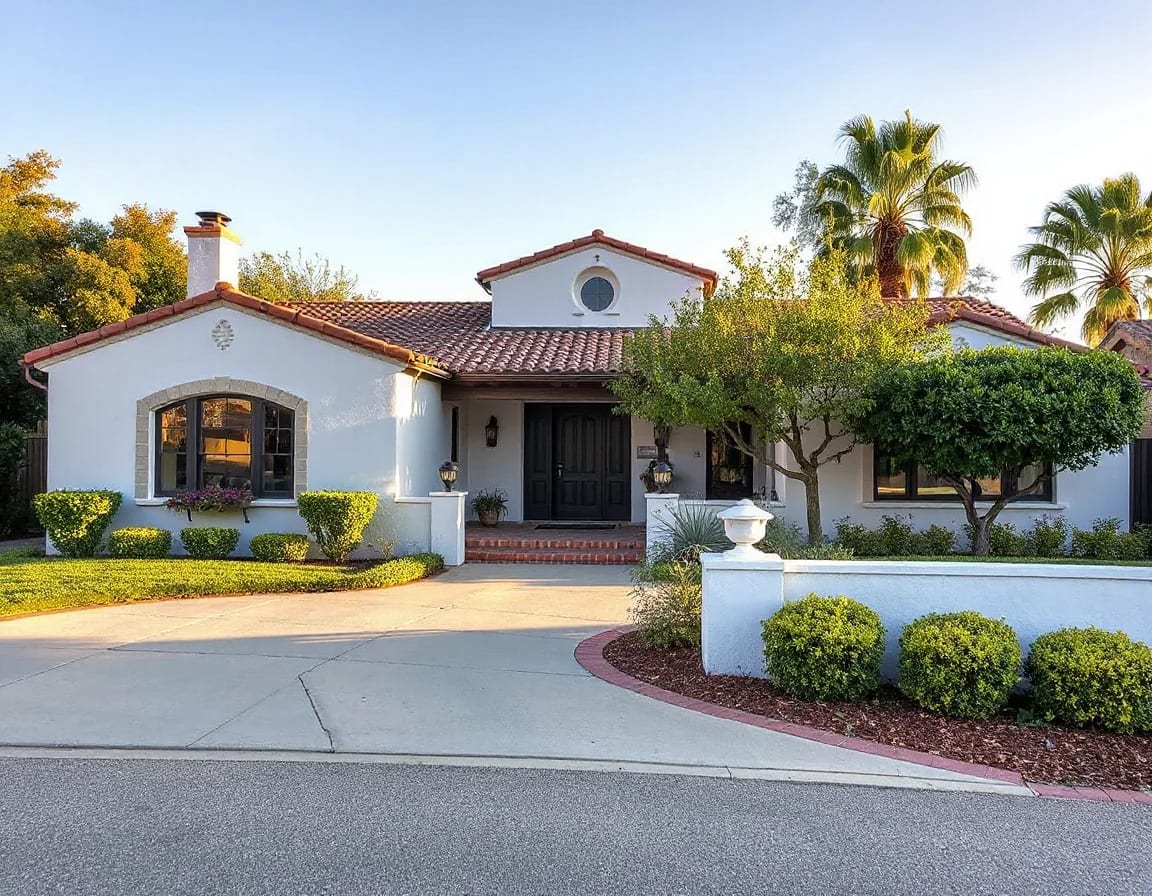
One of the city’s great advantages is the variety of homes available across its many districts. Spanish Revival bungalows, mid-century residences, hillside contemporary homes, courtyard condominiums, loft conversions, townhomes, and newer infill construction all appear in different pockets of the region. The style may be memorable, but the condition and ongoing ownership responsibilities deserve just as much attention.
Older homes can offer original details, established landscaping, and distinctive layouts. They may also call for closer review of electrical systems, plumbing, roofing, foundations, drainage, insulation, and local permitting history. Homes on hillsides bring another set of practical considerations, including access, retaining walls, slope conditions, drainage paths, and insurance availability. A thorough inspection strategy helps buyers understand the property beyond its first impression.
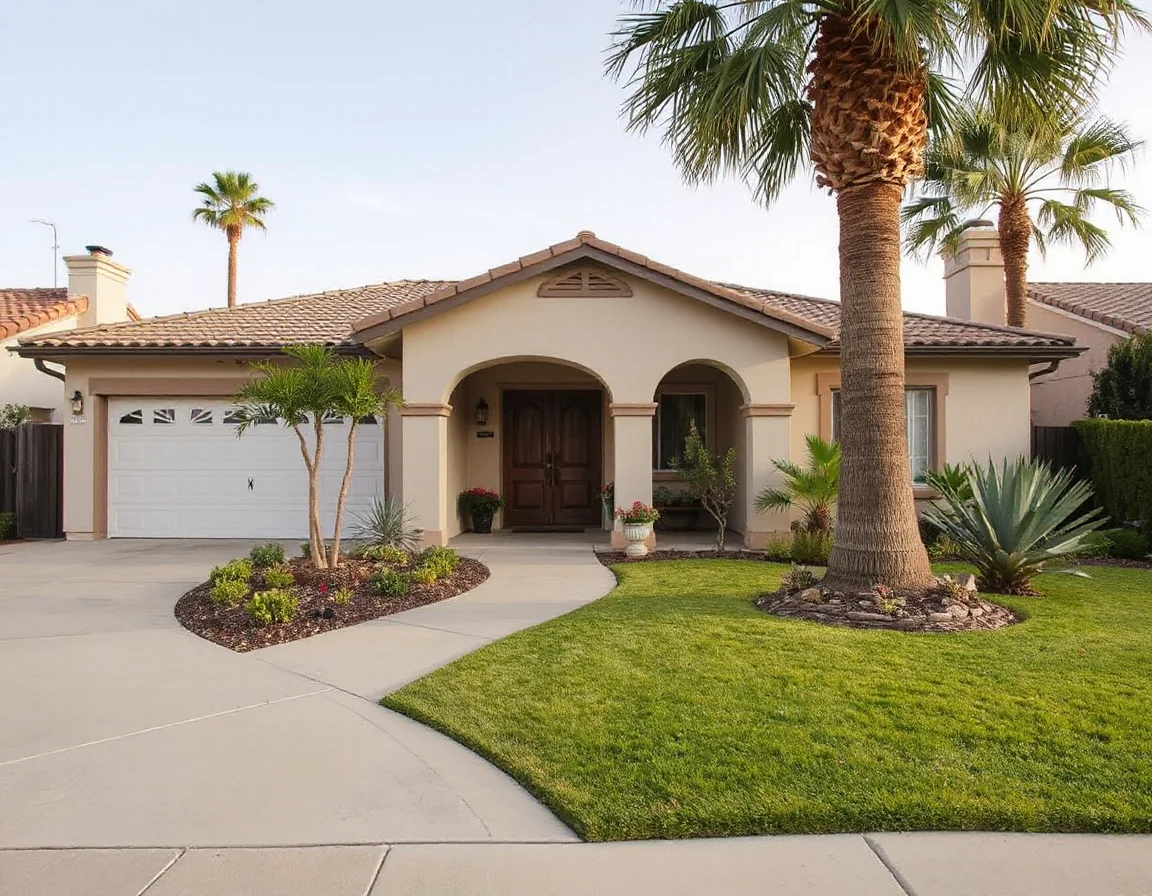
Condominiums and townhomes can offer a different ownership structure. Review the homeowners association budget, reserves, meeting minutes, rules, insurance coverage, anticipated projects, and monthly dues alongside the home itself. These documents can clarify how shared spaces are maintained and whether significant work is planned. For buyers comparing a detached house with a condo, the monthly cost picture should include more than the mortgage payment alone.
In any part of Los Angeles, ask for a clear view of property taxes, utility expectations, insurance considerations, and any local assessments. Your purchase decision is stronger when the monthly and long-term numbers reflect the full cost of ownership rather than only the list price.
A home’s layout and maintenance profile can influence daily comfort for years. Keep inspection findings, HOA documents, and projected repairs in one comparison sheet for every serious contender.
Compare Neighborhood Experiences Without Chasing Labels
Each part of Los Angeles has its own mix of public spaces, dining, arts, recreation, employment access, and architecture. Areas near Downtown can place residents close to major venues, transit connections, and a broad range of condo and loft options. The Eastside includes established residential streets alongside creative corridors and easy access to regional parks. Coastal communities bring ocean proximity and a distinct climate, while foothill areas can offer views, trails, and connections toward the San Gabriel Valley.
Instead of relying on broad reputation alone, identify the amenities that genuinely support your routine. You may want a nearby library, a farmers market, a bike route, trail access, a public park, or a rail stop. Perhaps you value a certain architectural era, a quieter side street, or a home within a manageable drive of multiple destinations. These preferences are concrete, searchable, and useful when evaluating tradeoffs.
School information is another topic buyers often research, but it is best approached through official sources and personal due diligence. Attendance boundaries, enrollment policies, programs, and transportation details can change. Review public records and contact the relevant agencies directly for the most current information rather than relying on assumptions or informal descriptions.
Neighborhood change is part of the Los Angeles story as well. New development, transportation improvements, adaptive reuse projects, and changing commercial corridors can affect convenience and construction activity. Ask about current projects near a property, then decide whether the pace and direction of change align with your goals.
Make a Confident, Flexible Offer Plan
Once a neighborhood and home type begin to stand out, preparation becomes an advantage. A current pre-approval, a realistic budget for closing costs and repairs, and a clear understanding of preferred terms can make the process more manageable. In a competitive situation, buyers benefit from knowing in advance where they have flexibility and where they do not.
Work through a short priority list before touring: non-negotiable location needs, preferred home features, acceptable renovation scope, and financial boundaries. Most successful searches involve tradeoffs, whether that means choosing additional space over a shorter drive, original character over turnkey condition, or a smaller footprint in a preferred location. Naming those tradeoffs early keeps decisions grounded.
Los Angeles offers an unusually broad set of possibilities, and that abundance can be energizing rather than overwhelming when your search is organized around real daily needs. Explore widely, verify details carefully, and give yourself room to notice which places feel practical as well as inspiring. With local perspective and a thoughtful plan, the right neighborhood can become much easier to recognize.